Guardians of Continuity: Engineering Lessons from the Tower of London's Five-Century Operating Model

Five Centuries Without Downtime
Since 1485, the Yeoman Warders of the Tower of London have maintained an unbroken chain of operational continuity that would be the envy of any modern Site Reliability Engineer. Through the reigns of thirty-six monarchs, two world wars, the Great Fire of London, and countless political upheavals, these guardians have never once allowed their core operations to cease. Their achievement represents perhaps the longest-running example of mission-critical system maintenance in British history.
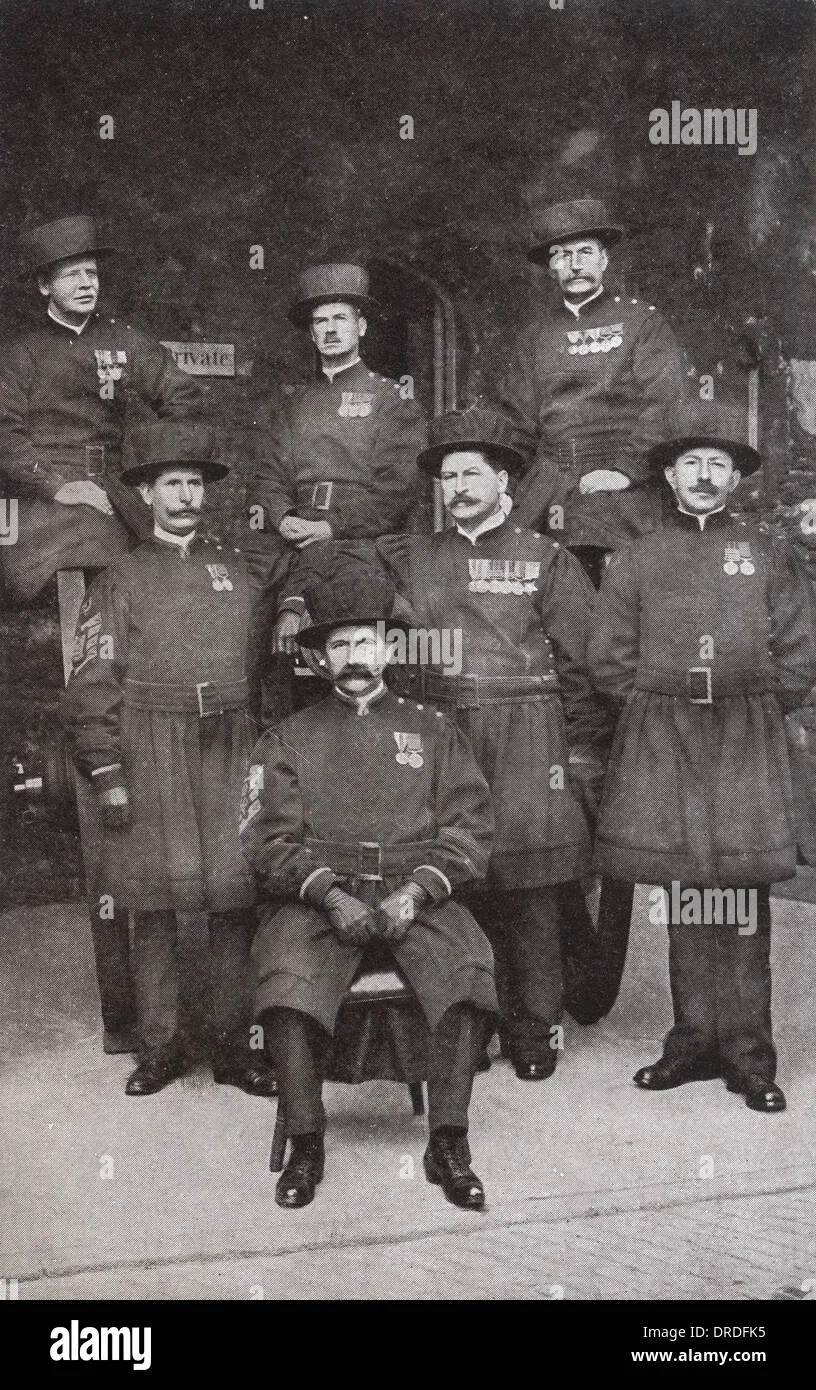 Photo: Yeoman Warders, via c8.alamy.com
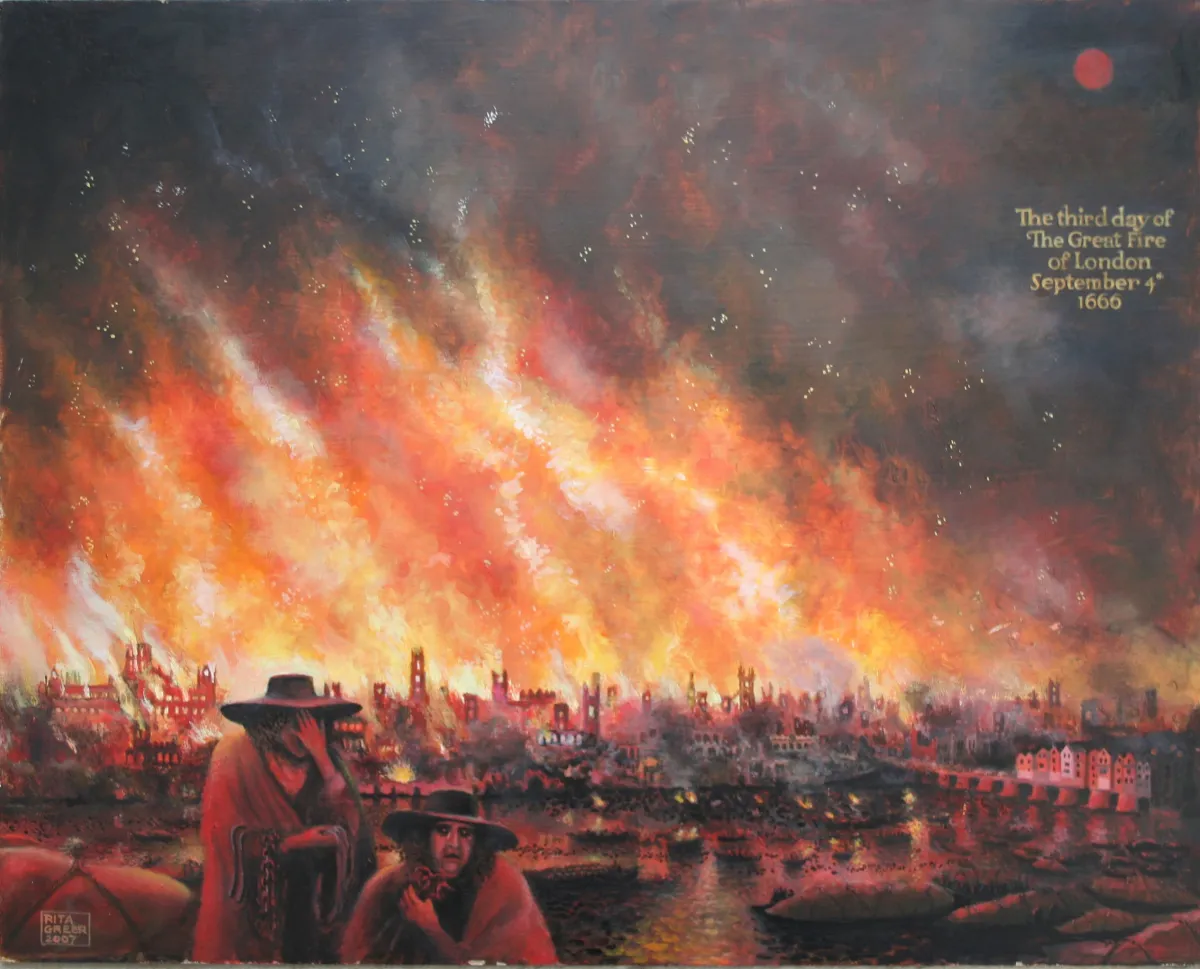 Photo: Great Fire of London, via upload.wikimedia.org
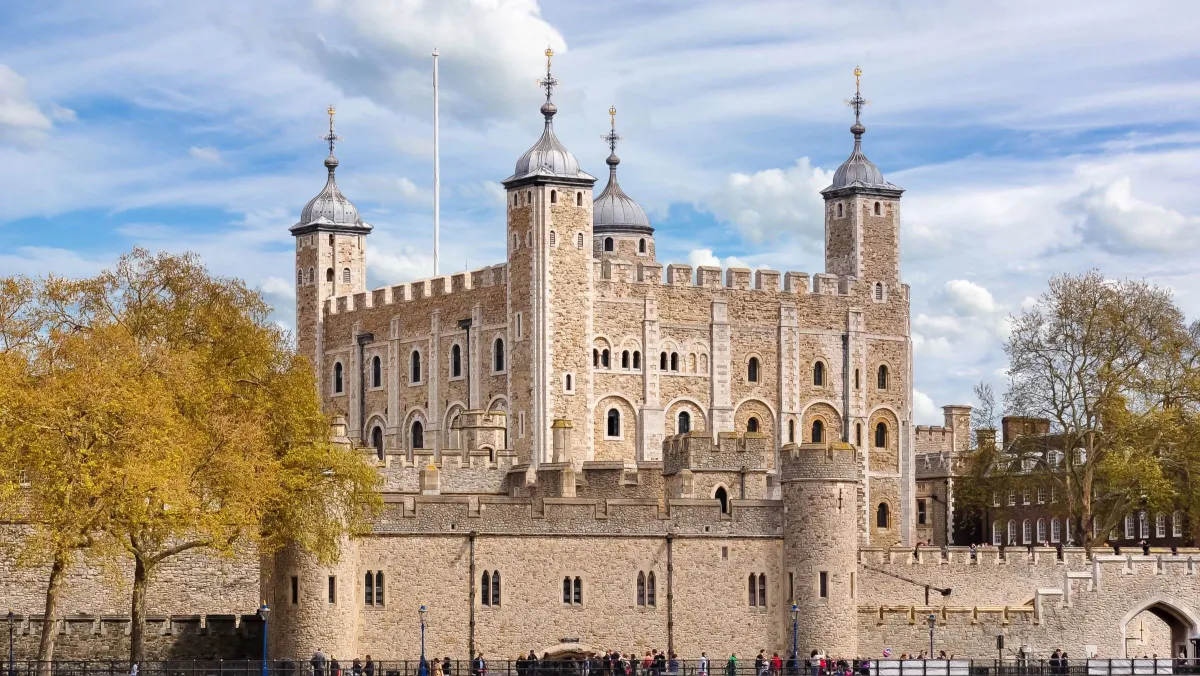 Photo: Tower of London, via images2.minutemediacdn.com
For contemporary software engineering teams tasked with maintaining legacy systems that cannot afford downtime—banking platforms, healthcare networks, transportation infrastructure—the Warders' methodologies offer profound insights into sustainable operational practices.
The Ceremonial Versioning System
One of the most sophisticated aspects of the Warders' operational model lies in their approach to ceremonial versioning. Each ritual, from the daily Ceremony of the Keys to the annual installation of new Warders, follows precisely documented procedures that have evolved incrementally over centuries whilst maintaining their essential character.
This approach mirrors the challenges facing British engineering teams managing critical legacy codebases. The Warders demonstrate how to implement backwards-compatible changes that preserve core functionality whilst accommodating new requirements. Their ceremonial protocols undergo regular refinement—adjusting timing for modern security requirements, incorporating new safety procedures, adapting to changing visitor numbers—yet the fundamental operations remain recognisably continuous with their medieval origins.
Modern development teams can apply this principle through what might be termed 'ceremonial refactoring': making incremental improvements to legacy systems that enhance maintainability and performance whilst preserving the essential business logic that users and dependent systems rely upon.
Knowledge Transfer as Sacred Trust
Perhaps the most critical aspect of the Warders' success lies in their approach to knowledge preservation and transfer. Each Yeoman Warder undergoes extensive training that encompasses not merely current procedures, but the historical context and reasoning behind each practice. This deep understanding enables them to make appropriate adaptations when circumstances change whilst maintaining operational integrity.
The Warders employ a multi-layered knowledge transfer strategy that software engineering teams would benefit from adopting:
Apprenticeship Integration: New Warders work alongside experienced colleagues for extended periods, absorbing not just explicit procedures but the tacit knowledge that enables effective decision-making under pressure. British development teams can implement similar mentorship programmes that pair junior engineers with senior colleagues for sustained periods rather than brief onboarding sessions.
Narrative Documentation: Beyond formal procedures, the Warders maintain rich oral traditions that explain the reasoning behind various practices. These stories provide context that enables appropriate adaptation when circumstances change. Engineering teams can adopt similar practices by maintaining decision logs that capture not just what was implemented, but why particular approaches were chosen and what alternatives were considered.
Ceremonial Practice: Regular rehearsal of critical procedures ensures that knowledge remains fresh and accessible. Development teams can implement similar practices through regular disaster recovery exercises and knowledge-sharing sessions that keep critical system understanding current across the entire team.
Hierarchical Resilience Patterns
The Warders' organisational structure demonstrates sophisticated resilience patterns that modern engineering teams can adapt for legacy system maintenance. Their hierarchy includes multiple levels of redundancy—Chief Warder, Yeoman Gaoler, and individual Warders—each capable of maintaining operations independently whilst contributing to the collective knowledge base.
This structure provides several advantages for critical system maintenance:
Distributed Expertise: Rather than concentrating critical knowledge in a single individual, the Warders ensure that multiple people understand each aspect of their operations. British engineering teams can implement similar knowledge distribution strategies by rotating responsibilities for different system components and maintaining cross-training programmes.
Graduated Authority: The Warders' hierarchical structure enables rapid decision-making during routine operations whilst providing escalation paths for exceptional circumstances. Engineering teams can adopt similar patterns through on-call rotations that empower junior engineers to handle routine issues whilst providing clear escalation procedures for complex problems.
Institutional Memory: The Warders' structure ensures that institutional knowledge persists across individual career changes. Long-serving Warders provide continuity whilst newer members bring fresh perspectives and energy.
Adaptation Within Tradition
One of the most instructive aspects of the Warders' approach lies in their ability to evolve their practices whilst maintaining essential continuity. Modern security requirements have necessitated significant changes to visitor management, electronic surveillance systems have supplemented traditional observation methods, and contemporary health and safety regulations have modified various procedures.
Yet these adaptations have been implemented in ways that strengthen rather than compromise the Warders' core mission. This approach offers valuable lessons for engineering teams facing pressure to modernise legacy systems whilst maintaining operational reliability.
Progressive Enhancement: Rather than wholesale replacement, the Warders implement new capabilities that complement existing procedures. Engineering teams can adopt similar strategies by building new functionality around legacy systems rather than attempting risky replacements.
Compatibility Layers: When modern requirements conflict with traditional procedures, the Warders develop bridging approaches that satisfy both sets of constraints. Engineering teams can implement similar compatibility layers that enable legacy systems to integrate with modern infrastructure.
Risk Management Through Redundancy
The Warders' operational model incorporates multiple layers of redundancy that ensure continuity even when individual components fail. Their daily procedures include verification steps, backup personnel assignments, and contingency protocols that activate automatically when primary systems encounter problems.
British engineering teams can implement similar redundancy patterns:
Operational Checklists: The Warders employ detailed checklists for critical procedures, ensuring that essential steps are not overlooked even under pressure. Engineering teams can develop similar checklists for deployment procedures, incident response, and system maintenance activities.
Cross-Training Requirements: Every Warder must demonstrate competency in multiple roles, ensuring that operations can continue even when specific individuals are unavailable. Engineering teams can implement similar cross-training requirements that prevent single points of failure in critical system knowledge.
Regular Validation: The Warders conduct regular reviews of their procedures and capabilities, identifying potential improvements and addressing emerging risks. Engineering teams can adopt similar practices through regular system health reviews and capability assessments.
Modern Applications of Ancient Wisdom
The Warders' five-century track record demonstrates that sustainable operational excellence emerges from the disciplined application of proven principles rather than constant technological innovation. Their success suggests that British engineering teams facing legacy system challenges should focus on developing robust operational practices that can adapt to changing circumstances whilst maintaining essential continuity.
By adopting the Warders' approaches to knowledge transfer, ceremonial versioning, and hierarchical resilience, modern development teams can build the organisational capabilities necessary to maintain critical systems across decades rather than merely quarters. In an industry often obsessed with disruption and replacement, the Yeoman Warders remind us that true engineering excellence lies in the patient cultivation of sustainable practices that endure across generations.