Beacons of Brilliance: How Trinity House's Maritime Legacy Shapes Modern System Monitoring
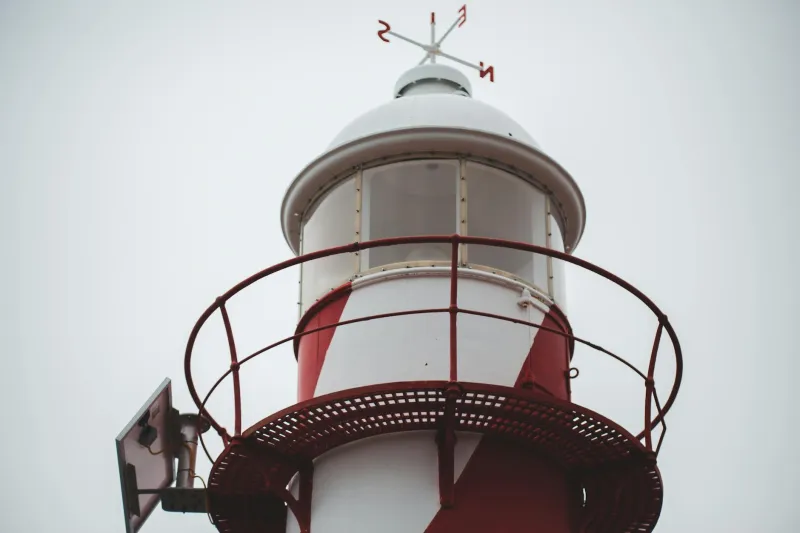
The Watchers on the Shore
For over 500 years, Trinity House has maintained Britain's coastal warning infrastructure, standing sentinel against maritime disaster through an intricate network of lighthouses, buoys, and fog signals. What began as simple beacon fires on clifftops evolved into a sophisticated early warning system that kept vessels safe in some of the world's most treacherous waters. Today, as we grapple with the complexity of monitoring distributed software systems, there are profound lessons to be learned from these guardians of the British coastline.
The lighthouse keeper's daily routine was methodical and unforgiving. Every evening, the light had to be prepared, tested, and maintained throughout the night. Weather conditions were logged meticulously. Equipment was inspected regularly. Backup systems were always at the ready. This wasn't mere routine—it was a philosophy of proactive vigilance that modern site reliability engineers would recognise immediately.
Layered Defences Against the Unknown
Trinity House never relied on a single point of warning. Around Britain's coast, lighthouses work in concert with foghorns, radio beacons, and buoy networks to create overlapping circles of safety. This redundancy wasn't accidental—it was engineered recognition that failure in critical systems is not a matter of if, but when.
Consider the approach at the Needles lighthouse off the Isle of Wight. The primary light operates alongside a fog signal, radio beacon, and neighbouring coastal markers. Should any single system fail, mariners still receive clear guidance. This multi-layered approach mirrors the observability stacks that successful software teams deploy today: application performance monitoring, infrastructure metrics, log aggregation, and synthetic monitoring working together to paint a complete picture of system health.
Modern monitoring tools like Prometheus, Grafana, and the ELK stack serve the same function as the lighthouse keeper's logbook, telescope, and signal horn. Each provides a different perspective on the same underlying reality—the health and safety of the systems under our care.
The Signal in the Noise
Perhaps the most sophisticated aspect of maritime warning systems is their ability to convey specific, actionable information through simple signals. The distinctive flash pattern of each lighthouse—some steady, others rotating, many with unique timing sequences—allows experienced navigators to determine their precise location even in poor visibility.
This principle of meaningful differentiation is crucial for modern alerting systems. Too many development teams create monitoring that screams constantly about minor issues, training operators to ignore alerts until a genuine crisis slips through unnoticed. The lighthouse keeper's code was different: every signal had meaning, every alert demanded attention, and false alarms were simply not acceptable when lives were at stake.
Successful observability strategies follow this maritime wisdom. Critical alerts are reserved for genuine emergencies requiring immediate human intervention. Warning signals indicate developing problems that need attention within hours. Informational metrics provide context but don't wake anyone at 3 AM. Like the carefully calibrated flash patterns of Britain's coastal lights, each alert level serves a distinct purpose.
Automation with Human Oversight
Modern lighthouses are largely automated, but Trinity House still employs lighthouse keepers and maintenance teams. The lesson here is subtle but important: automation enhances human capability rather than replacing it entirely. The most reliable systems combine automated monitoring with human insight and intervention capability.
In software systems, this translates to automated alerting and self-healing mechanisms working alongside on-call engineers who understand the broader context. The lighthouse keeper didn't just tend the light—they understood weather patterns, shipping routes, and the particular hazards of their stretch of coast. Similarly, effective site reliability engineers combine automated tooling with deep system knowledge and operational intuition.
Building Your Digital Lighthouse Network
For UK development teams looking to implement lighthouse-quality monitoring, several principles emerge from Trinity House's centuries of experience:
Establish Clear Sight Lines: Ensure your monitoring covers all critical system components with minimal blind spots. Like lighthouses positioned for maximum coastal coverage, monitoring tools should provide comprehensive visibility across your infrastructure.
Create Meaningful Signals: Design alert thresholds that convey specific, actionable information. A lighthouse that flashed constantly would be useless—so is monitoring that generates noise rather than signal.
Plan for Redundancy: Multiple monitoring systems should cover the same critical functions from different angles. If your primary monitoring fails, secondary systems should maintain visibility.
Document Everything: Lighthouse keepers maintained detailed logs of weather, shipping, and equipment status. Your monitoring strategy should include comprehensive documentation of alert meanings, escalation procedures, and historical patterns.
Regular Maintenance: Trinity House schedules regular inspection and maintenance of all coastal infrastructure. Your monitoring systems require the same disciplined approach to updates, calibration, and testing.
The Keeper's Legacy
As Britain's software development community continues to build increasingly complex distributed systems, we would do well to remember the lighthouse keeper's fundamental insight: the best defence against disaster is early, reliable warning combined with the human expertise to act on that information effectively.
The next time you're designing an observability strategy, think like a lighthouse keeper. Your users are navigating treacherous digital waters, and your monitoring systems are their guide to safety. Make every signal count, plan for redundancy, and never forget that behind every reliable system is a commitment to vigilant, professional care.
In an age of cloud-native complexity and microservice sprawl, perhaps the most modern thing we can do is embrace the timeless wisdom of Britain's coastal guardians: watch carefully, signal clearly, and never let your guard down when others depend on your vigilance.